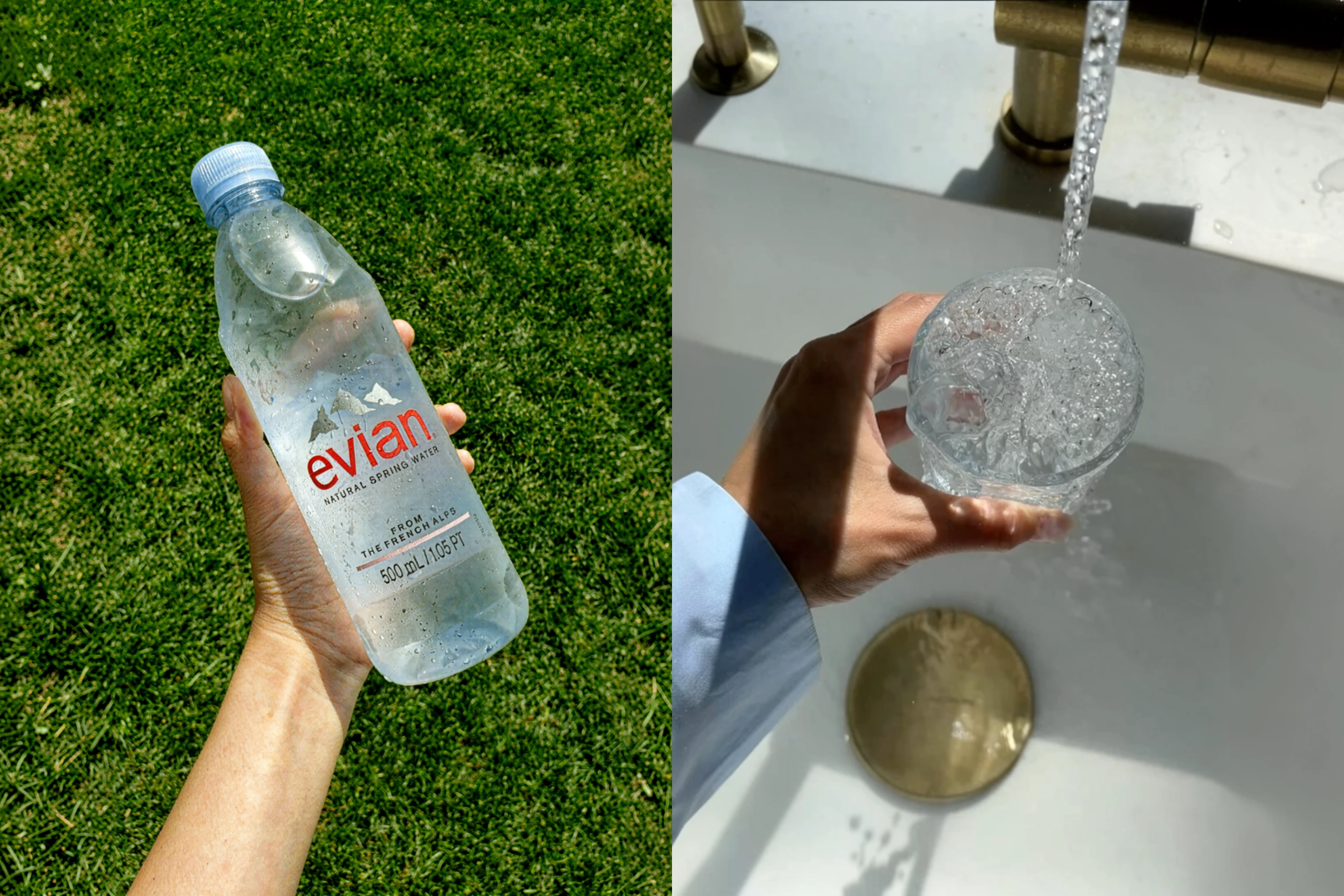
Bottled water has become part of everyday life. More than one million bottles are sold around the world every minute, with annual consumption reaching roughly 350 billion litres.
The appeal is easy to understand. Bottled water comes sealed, professionally labelled, and is often associated with images of mountains, springs, and natural purity. It feels cleaner and safer than water coming from the tap.
But the bottle only tells us where the water may have started. It doesn’t tell us everything that happened before it reached our glass.
The better question isn’t simply whether bottled or tap water starts out cleaner. It’s which option gives us more control at the moment we drink it.
Bottled Water’s Weak Point Is the Bottle
Some bottled-water companies use high-quality water from protected springs, aquifers, and mountain sources.
The concern isn’t always the source. It’s what happens afterward.
The water is packaged in plastic, then stored and transported before reaching the consumer. During that journey, plastic particles can enter the water.
A 2024 study published in the Proceedings of the National Academy of Sciences found an average of approximately 240,000 detectable plastic particles in each litre of bottled water tested, most of them nanoplastics.
We also know that these particles are entering the human body. Researchers have detected microplastics and nanoplastics in the liver, kidneys, and brain.
Once the water has been packaged, the consumer has very little control over its storage conditions, testing history, or exposure to plastic.
Tap Water’s Weak Point Is Distribution
Tap water has a different problem.
Municipal water is treated and disinfected before it leaves the treatment facility. It then travels through city pipes, service lines, and household plumbing before reaching the faucet.
Aging infrastructure can affect the water’s final quality by introducing sediment, metals, and other unwanted contaminants along the way.
But there is one important difference: tap water can still be treated immediately before it is consumed.
A properly selected filtration system can reduce many of these concerns at the final point before the water enters your glass.
The Difference in Regulation
Bottled water is regulated, but not in the same way as municipal tap water.
In Canada, bottled water is regulated as a packaged food product, while municipal water is managed through provincial and territorial drinking-water systems. In the United States, public water systems follow defined testing and reporting requirements, while bottled-water consumers generally receive less information about the water’s testing history and journey to the shelf.
The Most Practical Choice
For most households with access to municipally treated water, filtered tap water offers the greatest level of control.
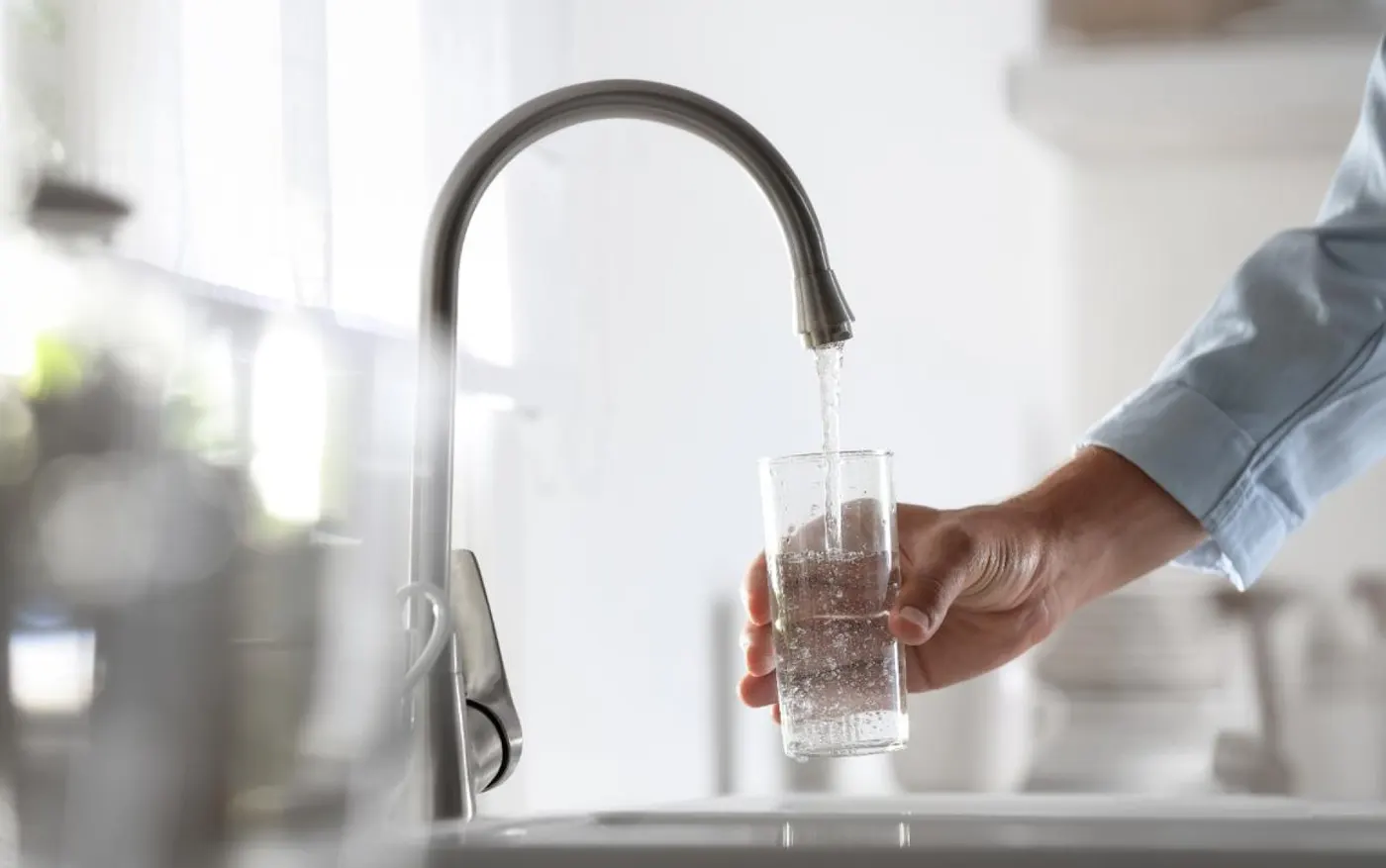
The water is already delivered to the home. It can then be filtered immediately before consumption, reducing unwanted contaminants without relying on single-use plastic bottles. For whole-home protection at the point where water enters the house, a system like the P1+ Defender treats every tap rather than a single faucet.
Bottled water still has a purpose during emergencies, while travelling, or in situations where clean water isn’t available.
But for everyday drinking, municipally treated water combined with a high-quality filtration system is often the more practical choice.
The goal isn’t to find a perfect source of water. It’s to control what we can and reduce unnecessary exposure before the water reaches our glass.