When it comes to your home’s water, most people assume that if it’s clear and comes out of the tap, it’s safe. And while municipal water systems across North America are regulated and treated, “safe” doesn’t always mean optimal.
If you’ve ever questioned the smell, taste, or quality of your water, or wondered whether a tap water filtration system is worth it, this guide will walk you through the real signs to look for.
We’ll cover sensory clues, local water quality factors, health considerations, and how to decide which type of home water filter makes sense for your situation.
1. Start With the Obvious: Smell
Your nose is one of the most immediate indicators of water quality
Chlorine Smell
If your tap water smells like a swimming pool, that’s chlorine. Municipalities add chlorine (or chloramine) to disinfect water and kill bacteria. While effective for sanitation, it can impact taste and may form byproducts such as trihalomethanes (THMs).
A strong chlorine odor doesn’t mean your water is unsafe, but it may mean a drinking water filter could improve your daily experience and reduce exposure to disinfection byproducts.
Rotten Egg Smell
A sulfur or rotten egg odor often indicates hydrogen sulfide gas or certain bacteria in plumbing. This is more common in private wells but can also occur in municipal systems depending on infrastructure.
Musty or Earthy Odor
This can be caused by naturally occurring organic compounds. While not usually harmful, it’s unpleasant and often a sign that enhanced contaminant removal could help
If your water smells off, consistently, that’s your first sign to look deeper.
2. Taste: The Daily Reminder
Even if you’ve “gotten used to it,” taste matters.
Water should be neutral and clean. If you notice:
- Metallic taste (possible iron, copper, or old plumbing)
- Bitter taste (high mineral or chemical content)
- Salty taste (sodium, often from water softeners)
- Chemical taste (chlorine or treatment byproducts)
… it may indicate dissolved substances affecting your water quality.
Many homeowners only realize how much taste improves after installing a proper tap water filtration system. The difference can be significant, especially for drinking, cooking, coffee,and tea.
3. Look at Your Fixtures and Appliances
Your water leaves visual clues around your home
Blue-Green Stains
Often a sign of copper corrosion from plumbing.
Orange or Brown Stains
Usually iron buildup. This can stain sinks, tubs, and laundry.
White Scale Buildup
Hard water minerals (calcium and magnesium) leave crusty residue on faucets, shower heads,and glass. While these minerals aren’t harmful to drink, they can shorten appliance life span and reduce efficiency.
If you’re seeing visible staining or scale, a home water filters or whole-home system may protect both your plumbing and your investment in appliances
4. Understand Your Municipality’s Water Quality
Not all cities have the same water.
Municipal water reports (often called Consumer Confidence Reports in the U.S. or annual water quality reports in Canada) list:
- Chlorine levels
- Disinfection byproducts (like THMs)
- Lead and heavy metals
- Nitrates
- PFAS (in some regions)
- Turbidity
- Hardness levels
These reports show what’s within regulatory limits, but regulatory limits don’t necessarily equal “zero.”
For example:
- Chlorine is permitted within certain thresholds.
- THMs are allowed below a maximum contaminant level.
- Lead must be below action levels, but older homes with aging pipes may still experience elevated levels at the tap.
If you live in an older building, a recently developed suburb with new infrastructure, or near agricultural or industrial areas, your local water quality may warrant extra attention.
A properly designed tap water filtration system can reduce many of these contaminants,even if they fall within “acceptable” limits.
5. Consider Your Home’s Age
Your water quality isn’t just about the city, it’s also about your pipes.
Older Homes (Pre-1990s)
- May have lead solder or aging copper pipes.
- Corrosion can introduce metals into water after it leaves the treatment plant.
Newer Homes
- May still have sediment or construction debris during early occupancy.
- Modern plumbing materials can still leach trace substances when new.
If your house is older and hasn’t had plumbing upgrades, a drinking water filter (under-sink or point-of-use) can provide peace of mind.
6. Your Health & Lifestyle Matter
Water filtration isn’t one-size-fits-all. Your needs influence your choice.
Infants and Young Children
Developing immune systems and smaller body weight can make contaminant exposure more impactful.
Pregnant Women
Reducing exposure to heavy metals and disinfection byproducts can be a priority.
Athletes & High Water Consumers
If you drink 3–4 liters a day, your cumulative exposure matters more than someone who drinks one glass.
Sensitive Skin or Hair
High chlorine and mineral content can contribute to dryness or irritation.
If clean water is central to your health routine, from hydration to cooking to showering,investing in tap water filtration is often a proactive decision, not just a reactive one.
7. Do You Rely on Bottled Water?
If you regularly buy bottled water because you don’t trust your tap, that’s already your answer.
A quality home water filter often:
- Costs less over time
- Reduces plastic waste
- Provides convenience
- Improves taste instantly
If you wouldn’t drink your tap water without filtering it through a pitcher, it may be time to upgrade to a more robust solution.
8. Cloudiness or Particles in Water
If your water looks cloudy when first poured but clears from bottom to top, that’s often just air bubbles, harmless.
However, if you notice:
- Persistent cloudiness
- Floating particles
- Visible sediment
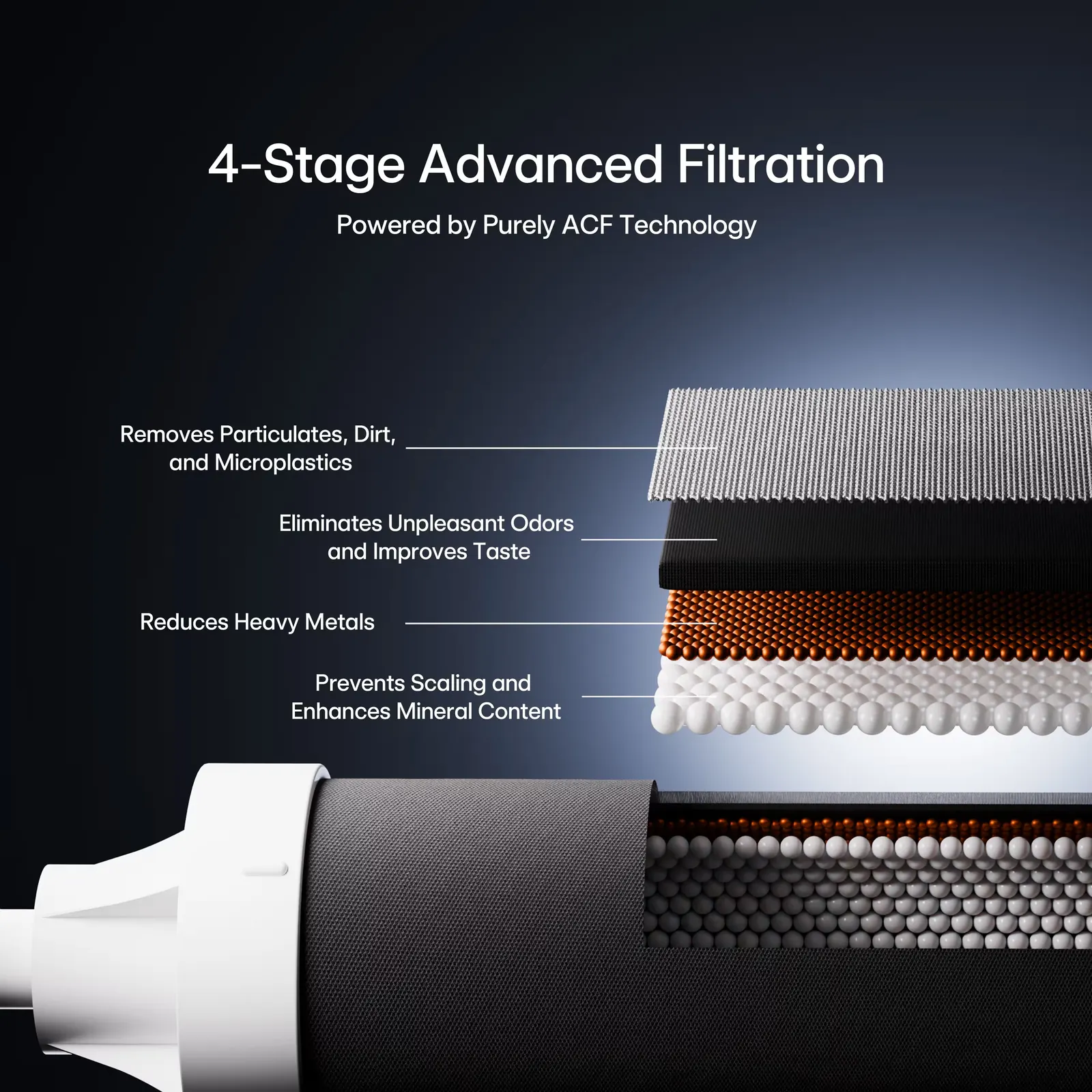
… this may indicate issues with pipes, aging infrastructure, or sediment intrusion. Mechanical filtration (like a sediment pre-filter) can significantly improve clarity and overall performance of your filtration system.
9. Private Well vs Municipal Water
If you’re on a private well, regular testing is your responsibility.
Well water can contain:
- Bacteria
- Nitrates
- Iron
- Manganese
- Sulfur
- Arsenic (in some regions)
In this case, tap water filtration is not optional, it’s essential. Proper testing followed by targeted contaminant removal is critical for long-term health.
Municipal water is treated, but it still travels through miles of pipes before reaching your faucet. That journey can introduce secondary contamination or changes in water chemistry.
10. Peace of Mind Is a Legitimate Reason
Not every reason to filter water is dramatic.
Sometimes the biggest sign you need filtration is simple:
You’ve been thinking about it.
Clean water touches every aspect of daily life, drinking, cooking, washing produce, brushing teeth, bathing. If upgrading your water quality removes doubt and improves daily experience,that alone carries value.
So… Do You Need Tap Water Filtration?
Here’s a quick checklist:
✔ Your water smells strongly of chlorine or sulfur
✔ It tastes metallic, bitter, or chemical
✔ You see staining or mineral buildup
✔ You live in an older home
✔ You’re concerned about heavy metals or disinfection byproducts
✔ You buy bottled water regularly
✔ You’re on well water
✔ You want better taste and peace of mind
If you checked even a few of these boxes, a properly selected tap water filtration system could make a meaningful difference.
Final Thoughts: Filtration Is About Optimization, Not Panic
Municipal water systems are designed to meet safety standards. But safety standards are minimum thresholds, not performance goals.
A high-quality drinking water filter or whole-home home water filter system can improve taste, reduce exposure to unwanted contaminants, and elevate your daily experience with water.
In the end, the question isn’t just:
“Is my water safe?”
It’s:
“Is my water the best it could be?”
Because when it comes to something you use dozens of times a day, even small improvements compound into meaningful impact over time.
And that’s where smart tap water filtration becomes less of a luxury, and more of a life style upgrade.