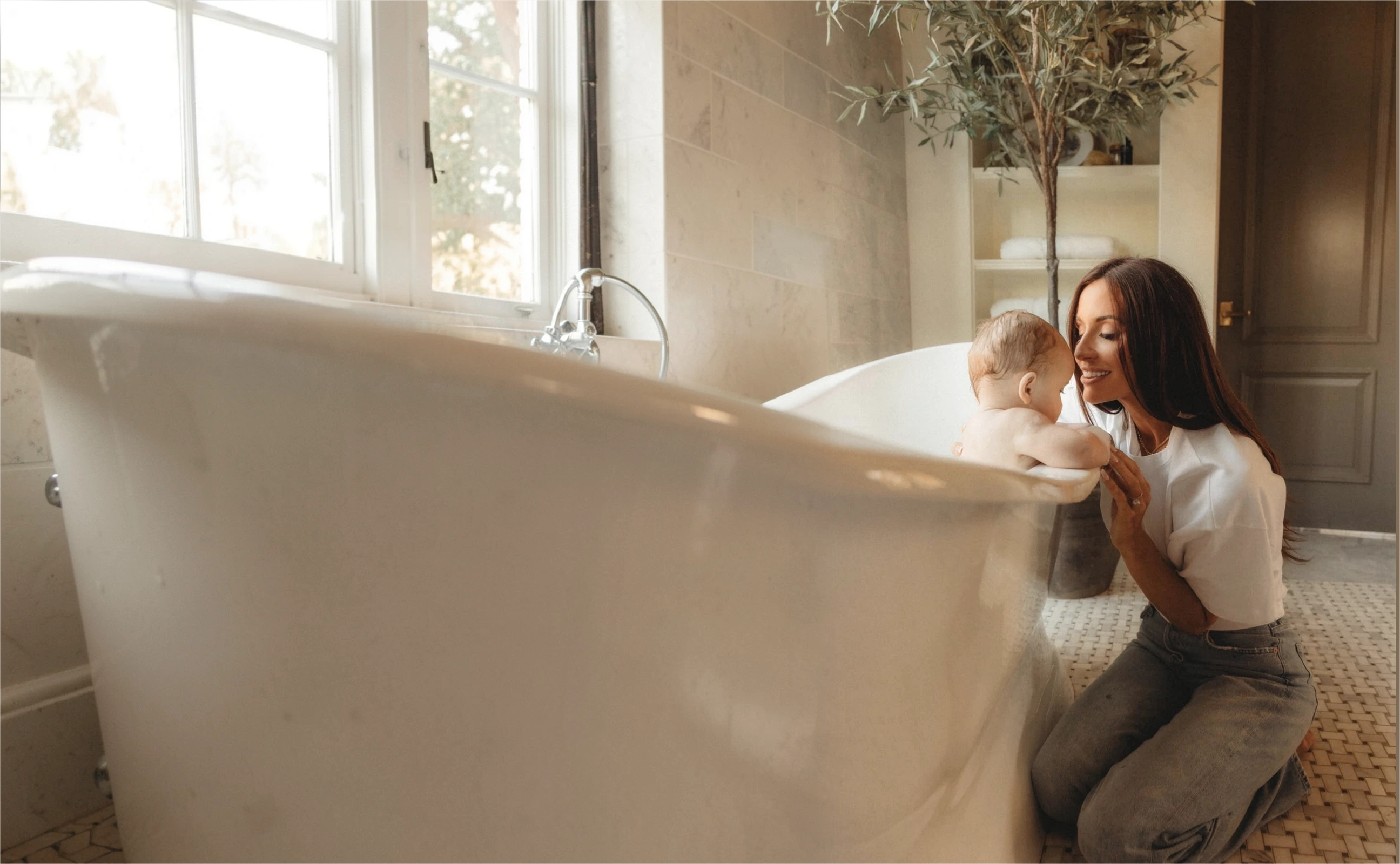
Water matters in every home. But for pregnant mothers, babies, young children, and growing families, it deserves even more attention.
Most adults can go through daily life without thinking too much about what is in their water. If it looks clear, tastes normal, and comes from a treated municipal supply, it is easy to assume there is nothing to question. But water quality is not only about whether water meets basic safety standards. It is also about who is drinking it, how often they are exposed, and how vulnerable their body may be. That is where sensitive groups matter most.
During pregnancy, infancy, and early childhood, the body is developing quickly. Babies and young children drink more water relative to their body size than adults, and their organs, immune systems, and nervous systems are still maturing. This means certain contaminants can matter more for them than they would for a healthy adult. Health agencies recognize that infants, children, and fetuses can be more vulnerable to contaminants such as lead in drinking water.
Why Pregnancy Changes the Conversation
During pregnancy, water supports both the mother and the developing baby. It plays a role in hydration, digestion, circulation, temperature regulation, and overall wellness. But pregnancy is also a time when many families become more aware of environmental exposure — reading labels more carefully, avoiding certain foods, rethinking cleaning products, skincare, cookware, and air quality. Water deserves to be part of that same conversation.
The concern is not about creating fear around every glass of water. It is about reducing unnecessary exposure where possible. If water is used every day for drinking, cooking, coffee, tea, rinsing produce, and preparing food, then improving that water becomes one of the simplest ways to create a cleaner home environment. For expecting parents, this matters not just for short-term comfort but for long-term peace of mind.
Babies Have Less Margin for Error
Infants are one of the most sensitive groups when it comes to drinking water because their bodies are small and still developing. Water may also be used to prepare infant formula, which can make water quality even more important.
Certain contaminants are especially relevant for babies. Lead is one of the best-known examples. Even low levels of lead exposure can be a concern for children because their bodies absorb and respond to it differently than adults. Health Canada notes that drinking water guidelines for lead are designed to protect vulnerable groups, including pregnant people, infants, and children.
Nitrate is another concern, especially for infants. The U.S. Environmental Protection Agency advises against mixing infant formula or food with well water that contains nitrate above the recommended limit, because babies are more vulnerable to nitrate-related health risks. This is why families using private wells, older plumbing, or homes with unknown water quality should be especially attentive — the water may look clean while still carrying contaminants that are not visible, tasted, or smelled.
Young Children Are Still Developing
As children grow, water remains a daily exposure. They drink it, bathe in it, brush their teeth with it, and eat food cooked or rinsed with it. Because children are still developing, their exposure profile is different from adults. Their brains, nervous systems, bones, and immune systems are going through important stages of growth.
This does not mean every home has unsafe water. But it does mean water quality deserves a higher standard when children are involved. Many water concerns are invisible — lead from older plumbing, nitrates in well water, disinfection byproducts, metals, and sediment may not change the appearance of the water at all. A glass can look perfectly clear and still be worth testing, filtering, or improving.
"Safe" and "Ideal" Are Not Always the Same
Municipal water is treated to meet safety requirements, and that treatment is essential. But many families are beginning to understand that meeting basic standards is not always the same as creating the cleanest possible daily water environment.
A healthy home mindset asks a better question: can we reduce what our family does not need to be exposed to? Filtered water can be part of that answer. It gives families more control over the water they use every day and can help reduce certain unwanted substances before they reach the glass, the pot, or the bottle. It is not about panic. It is about prevention.
The Bottom Line
Water quality matters for everyone, but it matters even more for sensitive groups. Pregnant mothers, babies, young children, and growing families have different needs, different exposure patterns, and less room for unnecessary risk. Because water is used so often, improving it can be one of the most practical steps toward a healthier home.
The goal is not to fear your water. The goal is to understand it, improve it where possible, and make sure the water your family relies on every day meets the standard your home deserves. Learn more about how Purely filters your home's water and what that means for the people who matter most.
Research & Sources
- EPA — Basic Information About Lead in Drinking Water
- CDC — About Lead in Drinking Water
- EPA — Private Wells and Drinking Water Safety and Infants
- Health Canada — Nitrate and Nitrite Guideline Technical Document
- American Academy of Pediatrics — Well Water Safety & Testing
This article is for general educational purposes and is not medical advice.