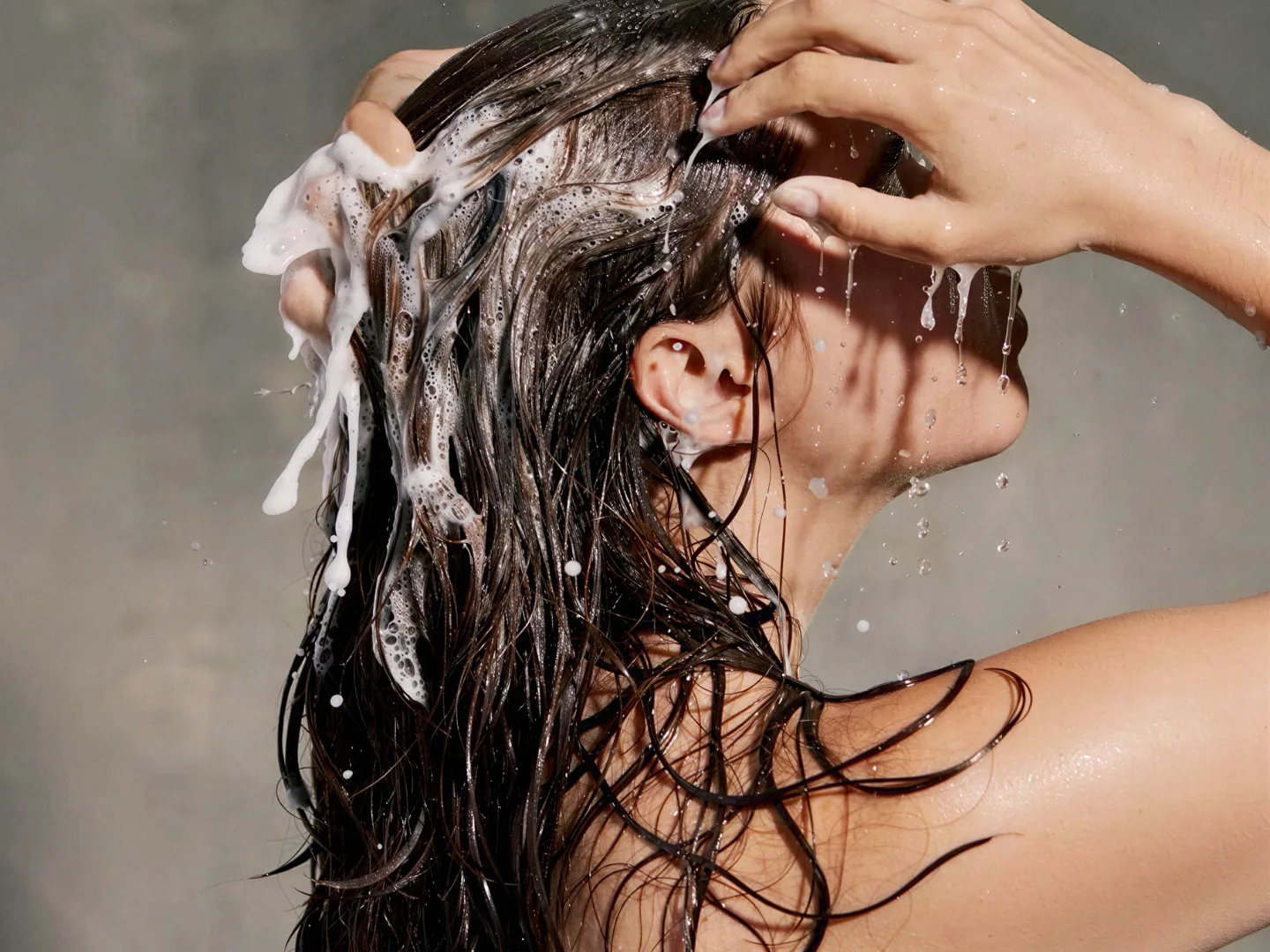
If your shower smells like a swimming pool, you’re not imagining it. In many cities, chlorine (or chloramine) is used to disinfect municipal water, an important step for public safety, but one that can feel harsh during daily showering. That’s where a shower filter comes in. A quality shower water filter is designed to reduce chlorine exposure at the point you actually experience it most: warm, high-flow water hitting your skin and hair.
And while everyone’s skin and hair respond differently, one thing is consistent: the shower is a high-contact environment. Heat, steam, and repeated exposure can make chlorine more noticeable, both in smell and in how your shower water feels. For many people, upgrading to a chlorine removal shower filter is less about “fixing a health issue,” and more about improving everyday comfort: softer-feeling skin, more manageable hair, and a cleaner shower experience overall.
Why chlorine can feel drying over time
Chlorine is reactive by design. In the shower, it doesn’t just stay in the water; you also notice it in the steam and scent. Over time, that exposure can leave some people feeling like their skin is a bit tighter after showering, or that their hair feels less smooth than it used to.
A common explanation is that chlorinated water can strip away some of the natural oils that help hair and skin feel balanced. When those oils are reduced, skin may feel drier, and hair may feel rougher, especially for anyone already prone to dryness or sensitivity.
How chlorine affects hair and skin comfort
Here are the most common “real life” effects people associate with chlorinated shower water, framed in a practical, non-alarmist way:
1) It can strip natural moisture
Chlorine exposure can contribute to that “dry and tight” feeling after showering by washing away some of the protective oils that normally help skin and hair feel comfortable.
2) It can leave hair feeling rougher and more breakage-prone
Repeated exposure can make hair feel less soft and more coarse. For some people, that rougher feel goes hand-in-hand with more tangling or breakage, especially if hair is already dry, curly, color-treated, or heat-styled regularly.
3) It can aggravate sensitive skin
If you have naturally sensitive skin, chlorinated water can sometimes contribute to redness,itchiness, or irritation. This isn’t about making medical claims, it’s about comfort. Many people simply notice their skin feels calmer when the chlorine smell and “harshness” is reduced.
4) It can dull natural shine
Hair’s “shine” is often a reflection of how smooth the outer layer feels. Chlorine exposure can leave hair looking less glossy and feeling less smooth, particularly for longer hair or hair that’s already processed.
5) It can shorten hair color vibrancy
If you color your hair, you already know water quality matters. Consistent chlorine exposure is commonly associated with faster color fade and a less vibrant look over time—one reason alot of people specifically search for a shower filter for skin and hair once they start coloring or bleaching
6) It can affect how “supple” skin feels over time
Some people describe chlorinated water as leaving skin feeling less supple or less “bouncy”over time. Again, this is a comfort and appearance conversation, not a promise. The goal is simply reducing what your skin and hair are repeatedly exposed to in the shower.
What a shower filter actually is (and how it works)
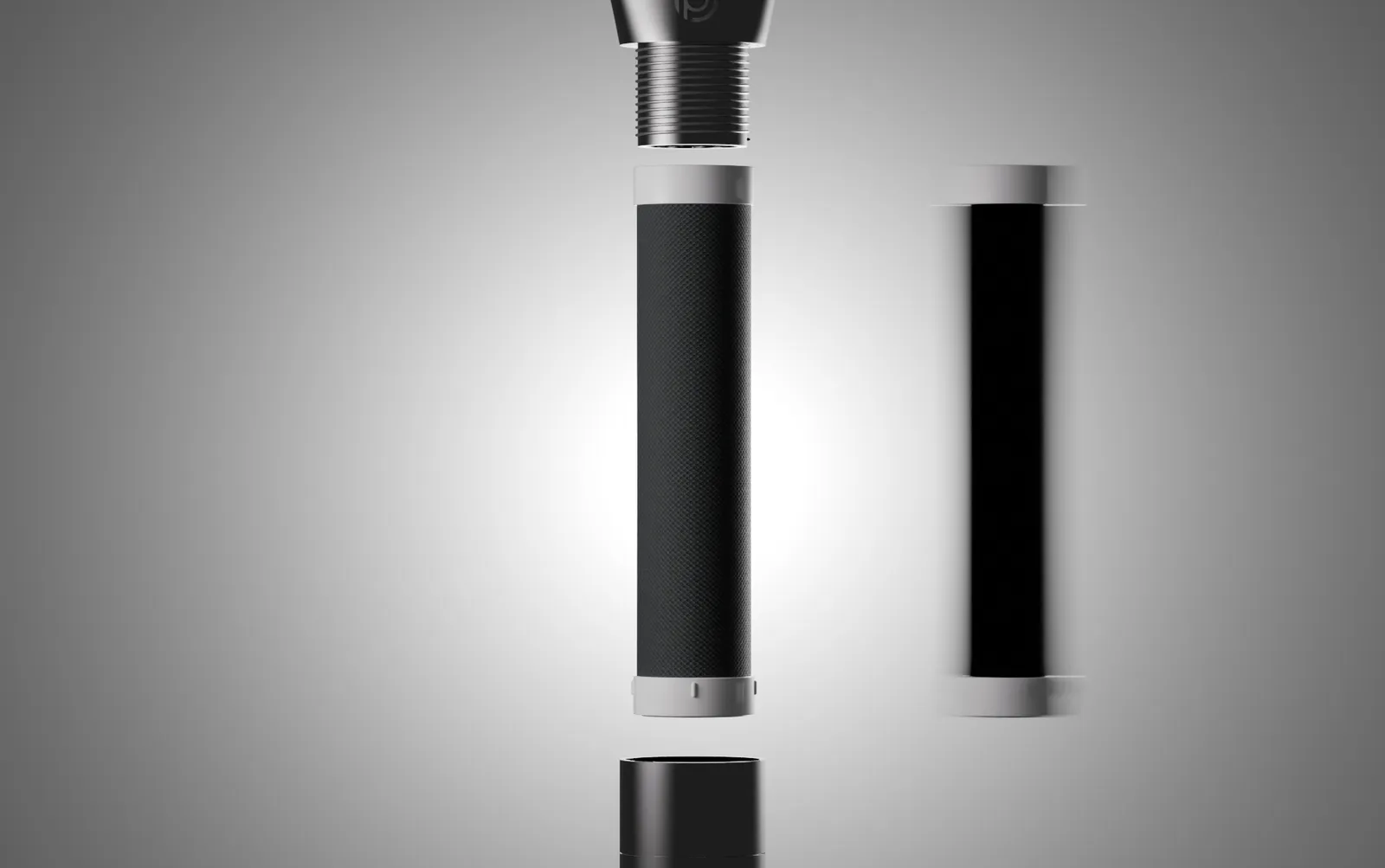
A shower filter is a point-of-use filtration system, meaning it treats water right before it reaches you. That’s different from a whole-home filtration system (which treats water at the entry point of the house). A shower filter’s focus is narrower, but that’s a good thing: it’s engineered specifically for shower conditions like heat, pressure, and flow.
You’ll usually see it in two formats:
- Filtered shower head (S1): the filter is built into the shower head itself.
- Inline shower filter (S2): a separate filter cartridge that attaches between the pipe and your existing shower head.
Both can function as a chlorine removal shower filter when designed with the right filtration media.
Why a shower filter is one of the easiest “high-impact”upgrades
A shower filter is popular because it’s a rare upgrade that’s:
- Quick to install (minutes, no plumber)
- Noticeable right away (especially the smell)
- Affordable compared to whole-home systems
- Easy to maintain with periodic cartridge replacements
For many households, it’s the simplest first step toward better water quality without committing to a full-home filtration project.
Bottom line
A good shower filter isn’t about hype: it’s about upgrading the part of your home water experience that touches you most. By reducing chlorine exposure in the shower, a quality shower water filter or filtered shower head can help water feel cleaner, smell fresher, and support a more comfortable routine for hair and skin over time. It’s a small change that can make your daily shower feel like a better ritual, every single day.