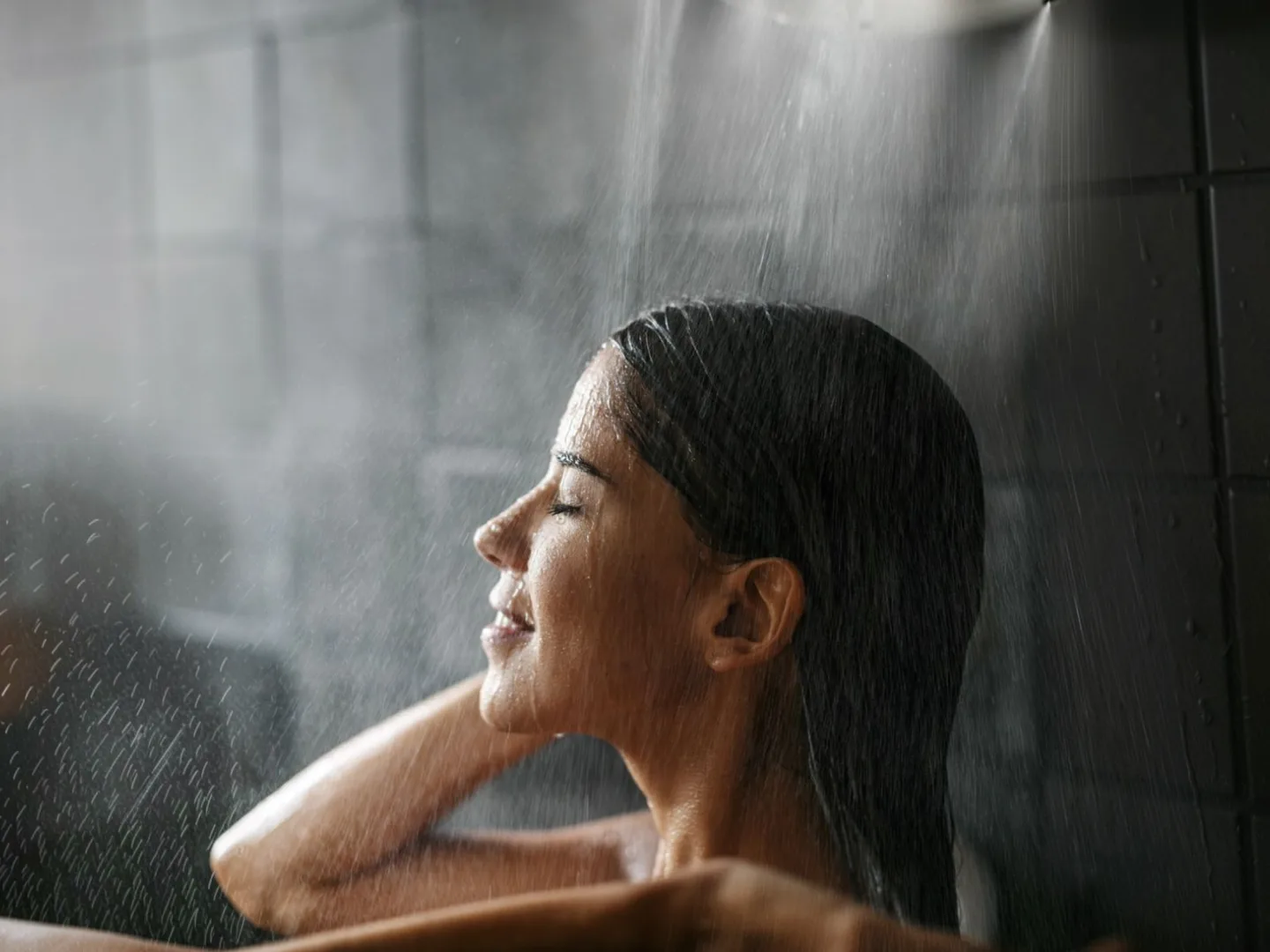
Most people think of water as simple. It comes out of the shower, feels clean, and becomes part of the routine without much thought. But the water you use every morning and every night can have a bigger impact on your skin, scalp, and hair than most people realize.
Your shower is one of the most consistent points of contact between your body and your home's water. It touches your skin, face, scalp, and hair almost every day. Over time, that daily exposure can influence how your skin feels, how your hair behaves, and how effective your personal care products seem to be.
Municipal water is treated to make it safe for everyday use, and that treatment is important. But the same water can still contain chlorine, hardness minerals, sediment, metals, and other impurities that may affect the shower experience — often in subtle but noticeable ways.
For many people, the first signs show up as dryness. Skin feels tight after showering. The scalp feels irritated or flaky. Hair feels rough, dull, frizzy, or harder to manage. Shampoo may not lather as well, conditioner may not seem to work the same way, or hair may feel weighed down even after washing. This is often where water quality becomes the hidden variable.
Your Shower Water Is Part of Your Beauty Routine
Most people blame their products first. If their skin feels dry, they change body wash. If their scalp feels irritated, they try a new shampoo. If their hair feels dull or heavy, they reach for a different conditioner, mask, oil, or treatment.
Sometimes that helps. But sometimes the product is not the main issue.
Your shower water is the foundation of the entire routine. Every shampoo, conditioner, cleanser, and treatment has to work through that water. If the water is high in chlorine, minerals, sediment, or other impurities, your products may not perform the way they are meant to. That means you may keep adding more product to solve a problem that starts before the product even touches your skin or hair — more shampoo, more conditioner, more moisturizer, more treatments — but if the water is harsh, the routine may always feel like it is working against something.
Chlorine and the Feeling of Dryness
Chlorine is commonly used in municipal water because it helps disinfect water as it moves through the distribution system. From a public health perspective, that matters. But in the shower, chlorine can also contribute to a harsher feeling on the skin and hair.
Your skin has a natural protective barrier that helps retain moisture and defend against external irritants. When that barrier is repeatedly exposed to harsh water conditions, it can feel more vulnerable. The result may be skin that feels tight, dry, itchy, or uncomfortable after showering.
Not everyone reacts the same way. Some people barely notice it. Others feel the difference quickly, especially if they already deal with sensitive skin, dryness, irritation, or an easily reactive scalp. Warm water can make this even more noticeable — a hot shower may feel relaxing in the moment, but it can also leave the skin feeling more stripped afterward, especially when combined with chlorine or other impurities in the water.
This is one of the reasons many people begin looking at filtered water for the shower. It is not about replacing skincare or haircare. It is about creating a gentler environment for those routines to work in.
Hard Water and Hair Texture
Hard water contains higher levels of minerals like calcium and magnesium. These minerals are not necessarily dangerous, but they can change the way water behaves. In the shower, hard water can make it harder for soaps, shampoos, and conditioners to rinse cleanly. Instead of leaving the hair feeling light and smooth, mineral buildup can contribute to a coated, heavy, or rough feeling.
Hair may become harder to manage — tangled, dull, dry at the ends, oily at the roots, or less responsive to styling. Curly, textured, blonde, highlighted, colour-treated, or chemically treated hair may notice the difference even more, because these hair types can be more sensitive to buildup and changes in water quality.
You may also find yourself using more shampoo to feel clean, or more conditioner to get softness back. But the issue may not be your products. It may be the water those products are working through.
Why Water Feels Different From Home to Home
Many people only notice water quality when they travel. You shower at a hotel, a cottage, a new apartment, or a friend's house, and suddenly your hair feels completely different — softer, heavier, cleaner, drier, smoother, or harder to manage.
That difference is not in your head. Water quality can vary depending on the source, treatment process, mineral content, plumbing, and distribution system. Even within the same region, the shower experience can change from one home to another. This is why two people can use the same shampoo and get completely different results. Your routine matters, but the water behind the routine matters too.
The Daily Exposure Effect
One shower may not change much. But daily exposure adds up. If your skin feels dry after every shower, if your scalp feels uncomfortable, or if your hair consistently feels dull, rough, or difficult to manage, water quality may be one of the hidden factors worth looking at.
Filtered water can help create a cleaner, more comfortable baseline. By reducing certain unwanted substances in shower water, it supports a gentler rinse and a better overall experience. Shampoo, conditioner, body wash, and skincare products may also feel more effective when they are not competing with the same level of chlorine, minerals, or buildup.
The Bottom Line
Your water may be invisible, but its effects are not always silent. If your skin feels dry, your scalp feels irritated, or your hair feels dull and difficult to manage, your shower water may be playing a role. Chlorine, hardness minerals, sediment, and other impurities can all influence how your body responds to daily washing.
A better shower routine does not always start with another product. Sometimes, it starts with the water. Learn more about how Purely's shower filtration works and how it can support the routine you already care about.
Research & Sources
- CDC — Water Disinfection with Chlorine and Chloramine
- USGS — Hardness of Water
- Health Canada — Guidelines for Canadian Drinking Water Quality: Operational Parameters
- National Eczema Association — Does Hard Water Impact Eczema?
- PMC — Domestic Hard Water and Eczema (peer-reviewed study)
This article is for general educational purposes and is not medical advice.