
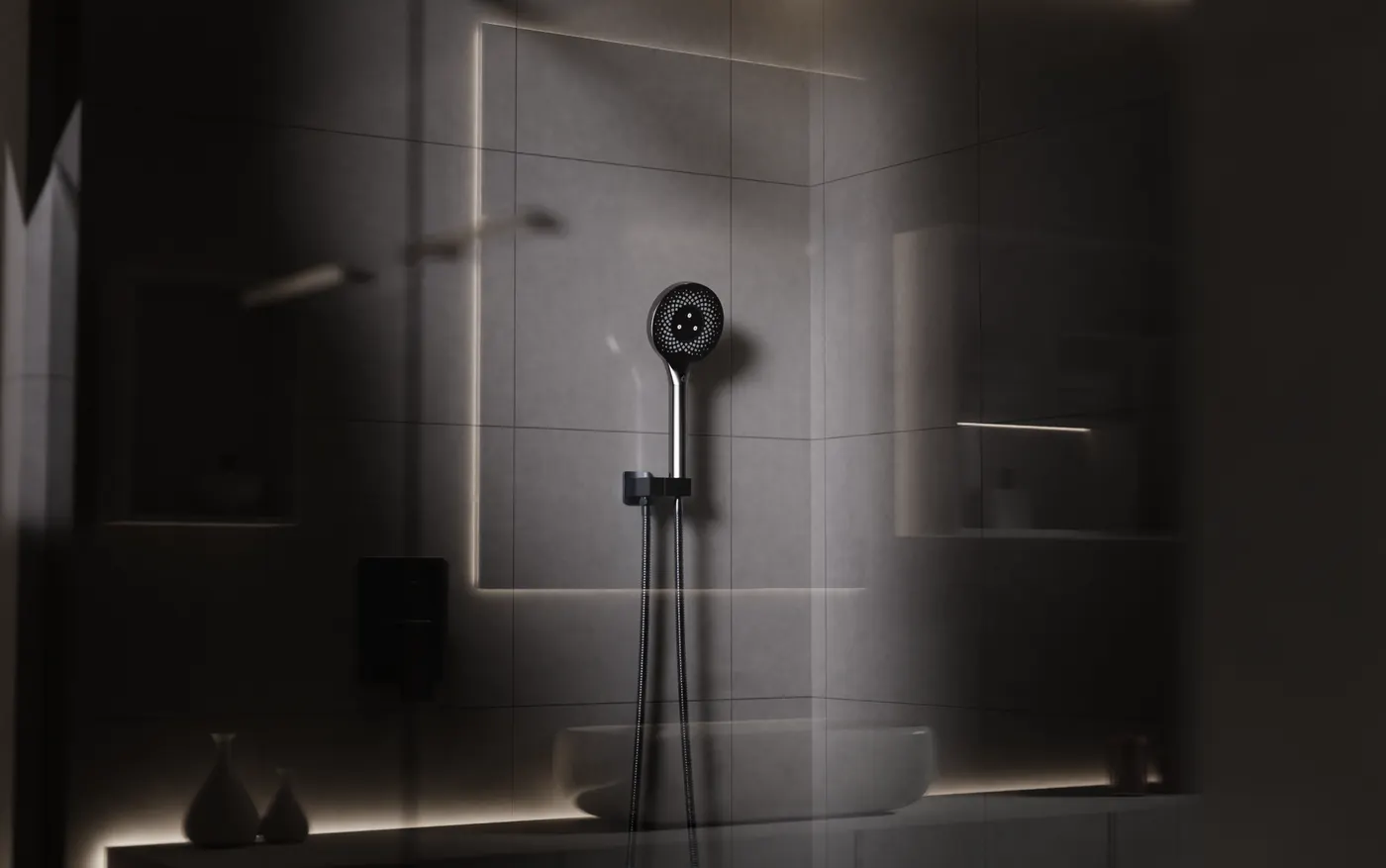
Taking a hot shower is one of life’s simplest pleasures, a daily ritual that wakes us up in the morning, relaxes us after a long day, and gives us precious minutes of calm. But have you ever stopped to think about what’s in that warm stream of water you’re standing under?
Enter the shower filters, a device designed to treat your shower water before it sprays out of the shower head.
So, are shower filters really worth it for everyday use? Let’s break down what they are, how they work, and why more people are choosing to filter not just the water they drink, but the water they bathe in.
What Is a Shower Water Filter?
A shower water filter is a device installed between your plumbing and the shower head, or built directly into the shower head itself, that helps reduce certain contaminants and chemicals in shower water. Depending on the filtration media used, a shower filter may:
- Reduce chlorine and volatile organic compounds (VOCs)
- Help cut back on sediment or rust particles
- Improve water smell and overall shower comfort
- Support better soap and shampoo performance
There are two common types of shower filters you’ll see on the market:
- Filtered Shower Head (S1) – An all-in-one shower head with built-in filtration media that replaces your existing shower head and filters water right at the spray point.
- Inline Shower Adapter (S2) – A compact filtration unit installed between your shower arm and your current shower head. This allows you to keep your favourite shower head while adding filtration upstream.

Why People Consider Shower Filters
1. Better Shower Water Quality
Most municipal water systems use chlorine or chloramine to disinfect water and kill bacteria.While these disinfectants are effective and necessary, they can also contribute to strong odors and a more aggressive “chemical” feel in hot water.
A chlorine removal shower filter is designed to reduce chlorine and certain chemical byproducts before the water reaches your skin and hair. Many people notice that filtered shower water smells cleaner and feels less harsh, especially when the water is hot.
2. Skin and Hair Experience
Shower water quality plays a bigger role in daily comfort than many people realize. Hard water minerals like calcium and magnesium can interfere with soap and shampoo, sometimes leaving hair feeling dull or skin feeling tight after rinsing.
While a shower filter is not a full water softener, reducing chlorine and other compounds can make water feel more balanced, allowing products to rinse more cleanly and perform as intended. Some users notice improvements quickly, while others experience more subtle changes over time
3. Less Steam, Fewer Chemical Fumes
Hot showers don’t just expose your skin to water, they also create steam. Chlorine and other volatile compounds can off-gas into the air, meaning you’re not only showering in them, but potentially breathing them in as well.
By reducing chlorine before the water is heated and aerosolized, a shower filter can help create a shower environment that smells fresher and feels less irritating to those sensitive to chemical odors.
How Shower Filters Work
Not all shower filters are created equal. Their effectiveness depends largely on the filtration media used and how much contact the water has with it. Common filtration materials include:
- Activated Carbon (GAC) – Commonly used to reduce chlorine and some VOCs
- KDF (Kinetic Degradation Fluxion) – Often used to reduce chlorine and help control scale buildup
- Vitamin C – Sometimes used in handheld filters to neutralize chlorine
These materials are widely used and well understood, but they also have limitations,especially in compact shower filters where contact time is short.
Where Activated Carbon Fiber (ACF) Comes In
More advanced shower filters use Activated Carbon Fiber (ACF) instead of traditional granular carbon. Unlike loose carbon granules, ACF has a tightly bonded fibrous structure with a much higher surface area and faster adsorption rates.
This means water passes evenly through the filtration media rather than channeling around it,allowing for more efficient chlorine reduction in a compact form factor, even at high flow rates typical of showers.
ACF is increasingly used in premium shower filtration systems because it offers strong performance without requiring bulky housings or slow flow.
Who Might Benefit Most from a Shower Filter?
A shower filter can be especially worthwhile if you:
- Live in an area with noticeable chlorine odor in tap water
- Prefer a cleaner-smelling, more comfortable shower experience
- Want to improve water quality without major plumbing work
- Already value filtered water at the faucet and want consistency throughout your home
For homes with extreme hardness or widespread plumbing issues, whole-house solutions may still be worth exploring, but for everyday showering, a dedicated shower filter is often the simplest and most practical upgrade.
Installation and Maintenance
One of the biggest advantages of shower filters is how easy they are to install and maintain.
- Filtered Shower Head (S1): Screws directly onto your existing shower arm, no tools required.
- Inline Shower Adapter (S2): Installs between your shower arm and shower head,preserving your existing setup
Both S1 and S2 filters are designed for long-term everyday use, with a replacement cadence of up to 45,000 liters or approximately 1 year, depending on water conditions and usage.
Regular replacement ensures consistent performance and keeps your shower water quality where it should be.
Cost vs. Value: Are They Worth It?
When you break it down:
- Upfront cost: Shower filters are relatively affordable and require no professional installation.
- Maintenance: With annual replacement intervals, upkeep is simple and predictable.
- Daily impact: Even small improvements in smell, feel, and comfort are experienced every single day.
Because showering is a daily habit, modest improvements compound quickly, making shower filters one of the highest “quality-of-life per dollar” water upgrades for many households.
Final Verdict
So, are shower filters worth it for everyday use? For a growing number of people, the answer is yes.
A shower water filter, whether as a filtered shower head (S1) or an inline shower adapter (S2),offers a straightforward way to reduce chlorine exposure, improve shower comfort, and elevate a daily routine without complicated plumbing or maintenance
While no single filter is a cure-all, a well-designed shower filter can meaningfully improve how your water smells, feels, and performs, making it a simple upgrade that many people wish they’d done sooner.