When people start researching a whole house water filter, they’re usually reacting to a simple realization: water doesn’t just come out of one faucet. It runs through every tap, every shower, every appliance, and every pipe in the home. And whatever is in that water, good or bad, travels with it.
A whole house water filtration system is designed around one core idea: convenience at scale.Instead of treating water at a single point of use, it treats the water once, at the point of entry,and delivers filtered water everywhere it flows.
This approach is what separates whole house water filtration from point-of-use solutions like under-sink filters or shower heads. It’s not about replacing them, it’s about eliminating the need to think about water quality room by room.
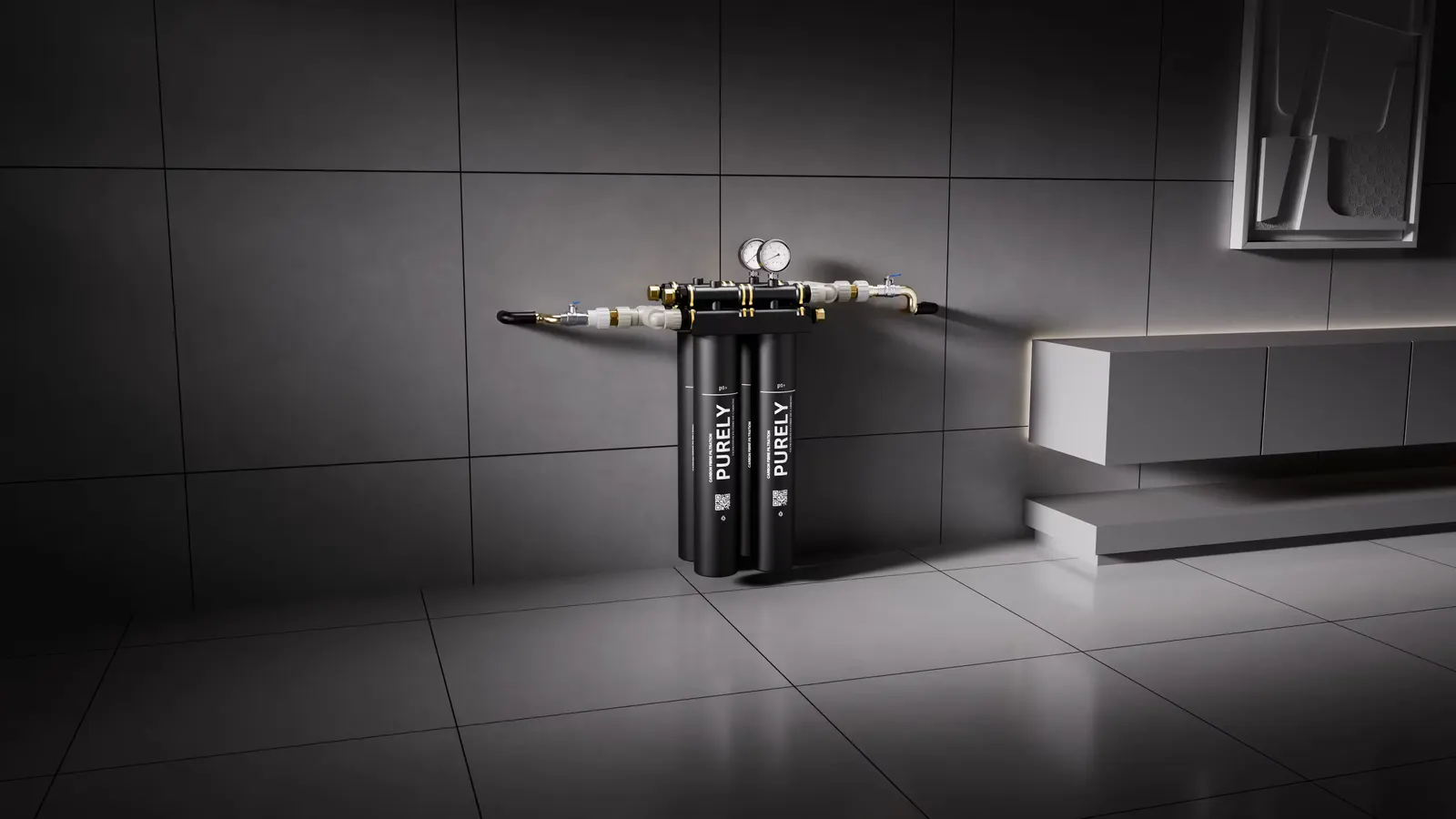
What Is a Whole House Water Filter?
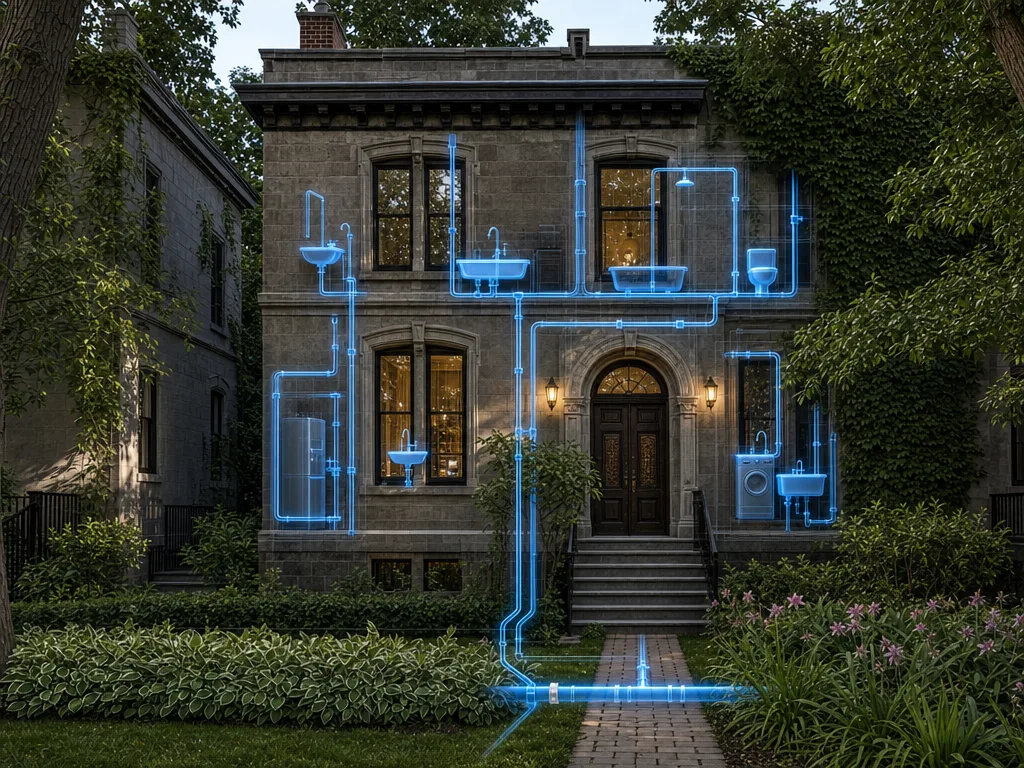
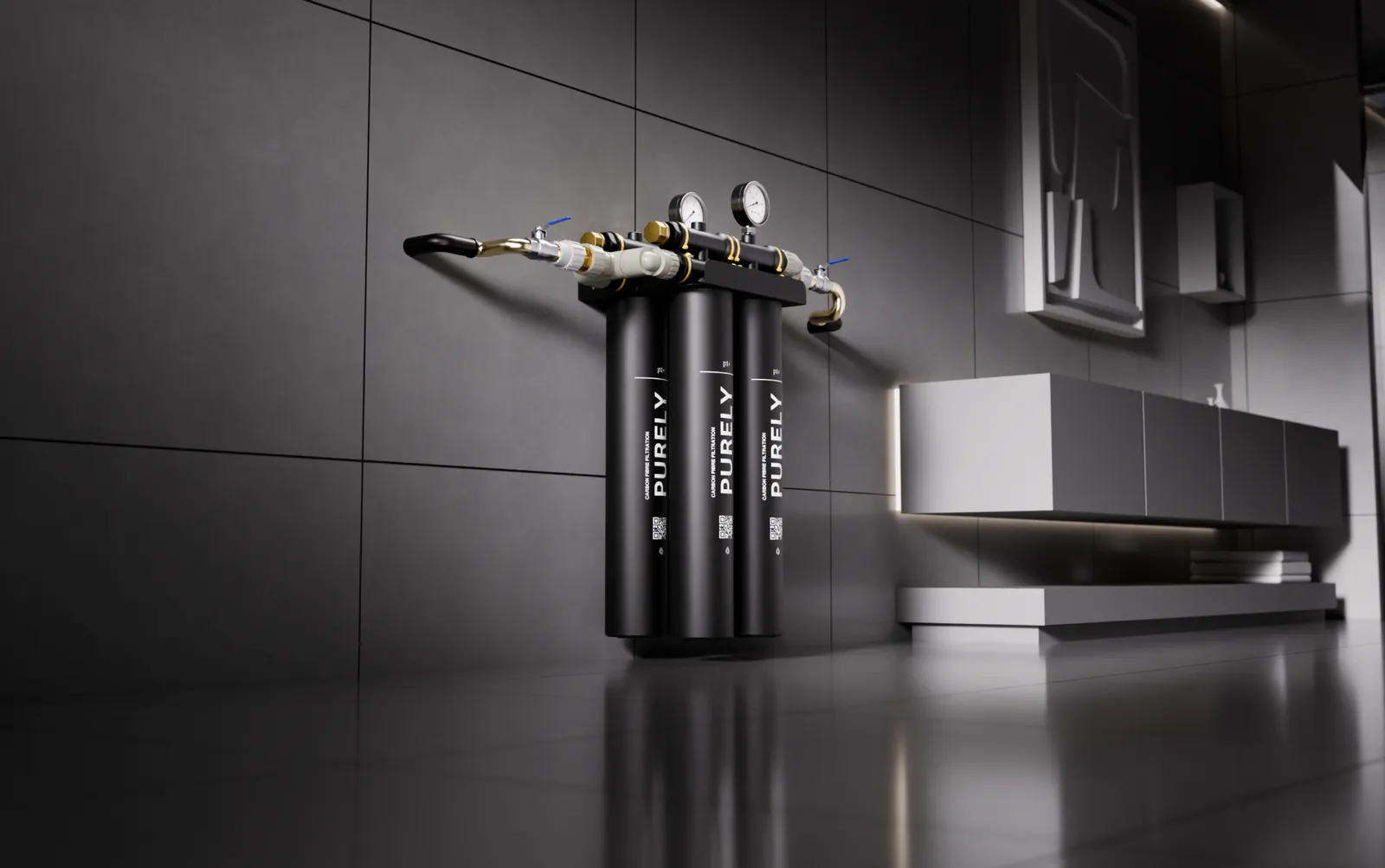
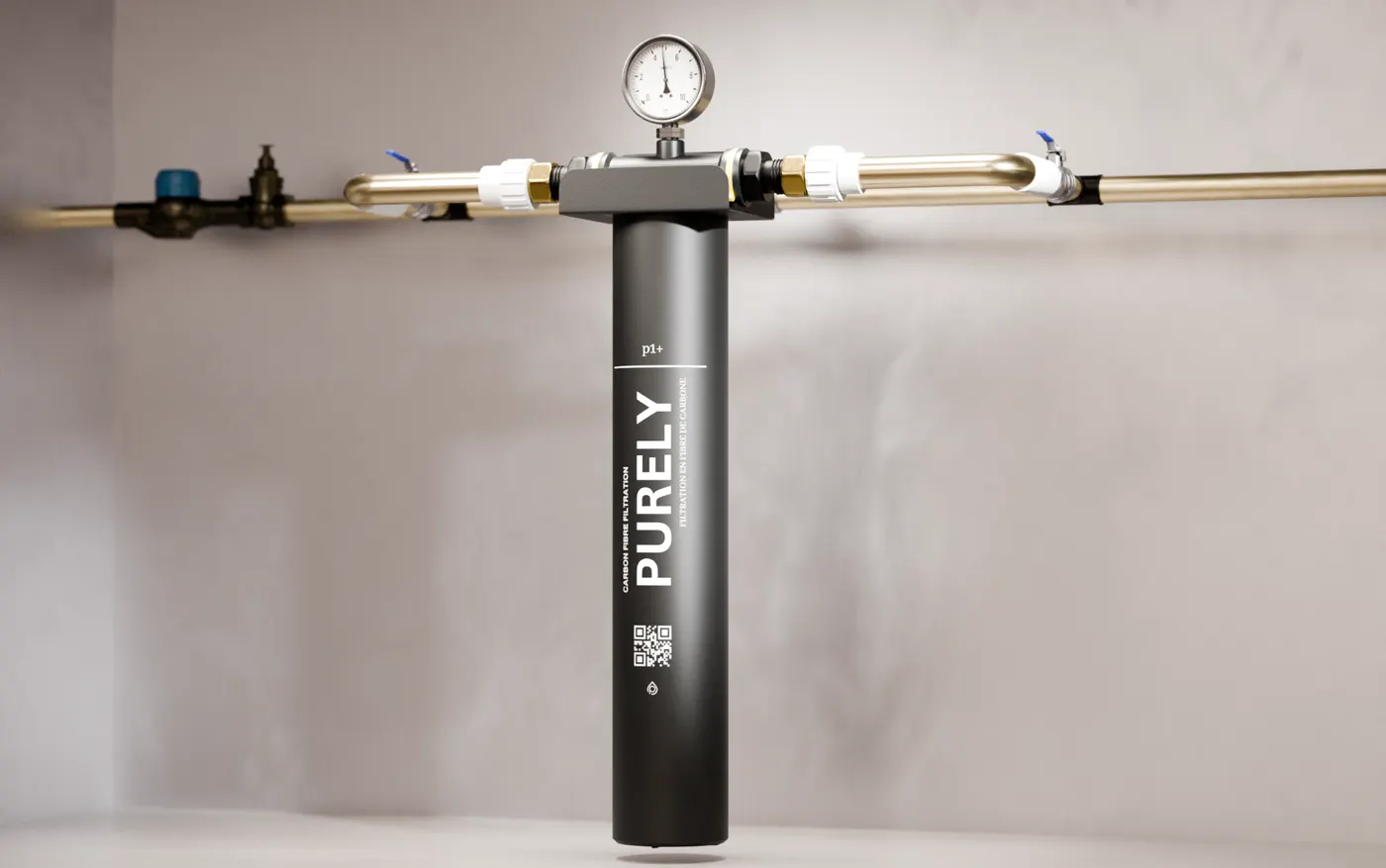
A whole house water filter (also called a whole house water system or home water filtration system) is installed on the main water line as it enters the home. From that moment forward,every drop of water, hot or cold, is treated before reaching:
- Kitchen faucets
- Bathroom sinks
- Showers and bathtubs
- Laundry machines
- Dishwashers
- Utility sinks and outdoor taps
This is why whole house filtration is often categorized under residential water treatment rather than point-of-use filtration. It’s infrastructure, not an accessory.
Once installed, the system works passively in the background. No switches, no daily interaction, no remembering which faucet is “the good one.”
Convenience Is the Real Upgrade
The biggest advantage of whole house water filtration isn’t a single performance metric—it’s effortless coverage.
Every Tap, Automatically
With a whole house water filter, you don’t have to:
- Walk to a specific faucet to fill a pot
- Remember which bathroom has filtered water
- Swap shower heads to get better water for your skin
- Explain to guests which tap they should use
Filtered water is simply… the default.
That includes places that are often overlooked, like bathtubs. Most homes don’t have a realistic point-of-use solution for bath water, yet baths can expose you to large volumes of warm water, where volatile compounds are more easily inhaled or absorbed. A whole house system solves that without any extra hardware.
Showers, Faucets, and Daily Use
One of the most noticeable changes homeowners report after installing whole house water filtration is in showers.
Because the system treats both hot and cold water:
- Every shower benefits, not just one
- Steam doesn’t carry the same chemical odors
- Skin and hair experience consistent water quality across bathrooms
The same applies to faucets throughout the home. Whether you’re brushing your teeth,washing produce, or rinsing your hands, the experience is uniform.
You don’t have to retrofit multiple bathrooms or coordinate replacement schedules across different devices. One system, one treatment point.
Side Benefits: Appliances, Laundry, and Dishes
While not usually the primary reason people install a whole house water system, there are practical side benefits:
- Laundry: Cleaner input water can be gentler on fabrics over time
- Dishwashers: Reduced mineral and chemical load entering the machine
- Plumbing: Filtration before water moves through the system can help limit buildup depending on water conditions
These benefits are often a bonus rather than the main decision driver, but they reinforce the idea that whole house filtration improves water everywhere, not just where you drink it.
Replacement Cadence: Designed to Be Low-Maintenance
One common misconception is that whole house water filtration requires constant upkeep. In reality, with proper system sizing, maintenance is minimal.
A well-matched system, selected based on:
- Household size
- Daily water usage
- Local water conditions
can often operate with a filter replacement cadence of two years or more.
That means:
- No monthly cartridge swaps
- No juggling multiple replacement schedules
- No surprise maintenance every few months
You replace one set of filters on a predictable timeline, and you’re done. For many homeowners, this is actually less work than managing multiple under-sink filters and shower cartridges at the same time.
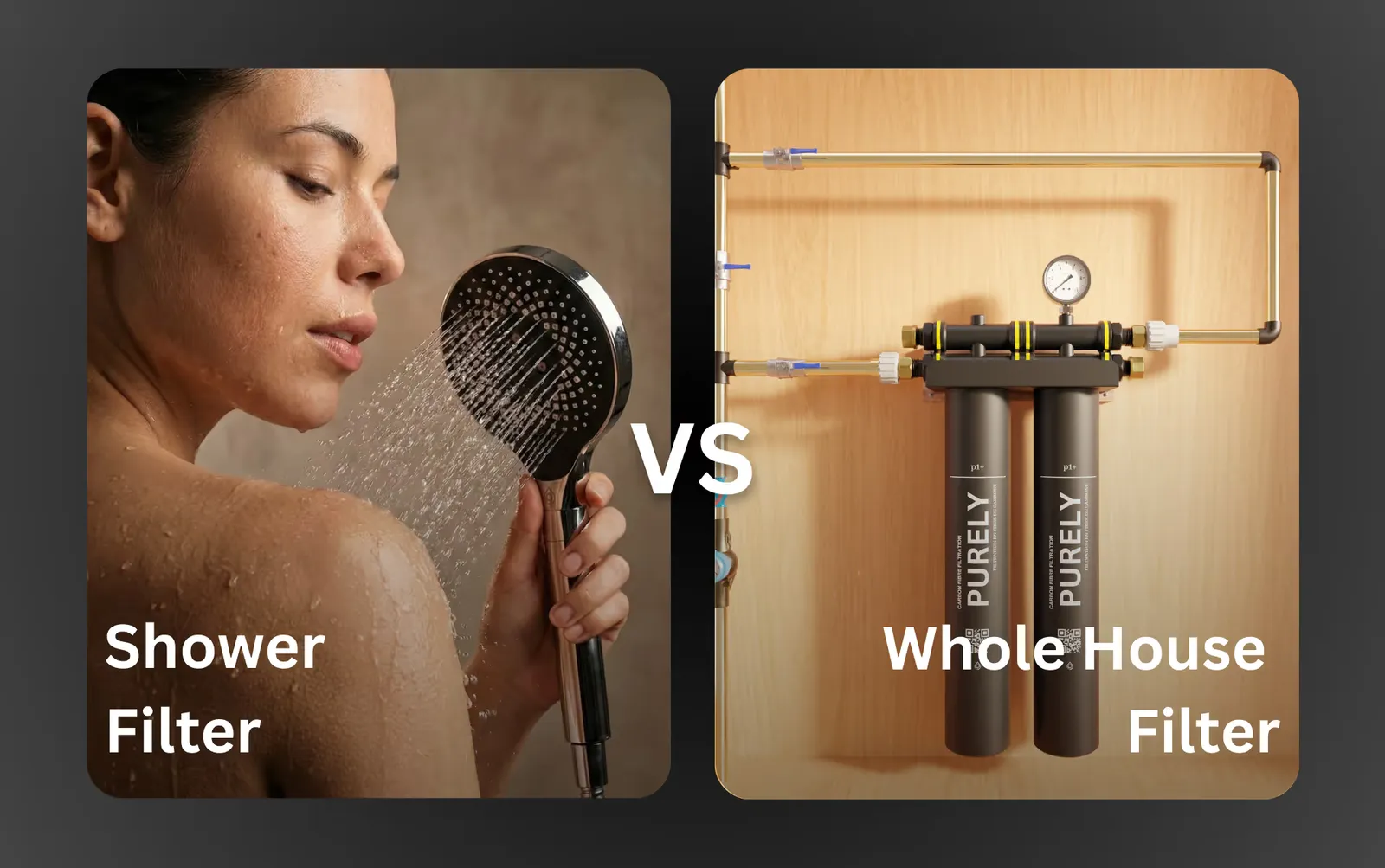
Whole House vs. Point-of-Use Filtration
To understand the value of a whole house water filter, it helps to compare it directly with common alternatives.
Under-Sink Systems
Under-sink filters are effective for a single dedicated faucet, usually in the kitchen. They’re great if your only concern is drinking water at that sink.
However:
- They don’t cover other faucets
- They don’t treat showers or baths
- They require remembering which faucet is filtered
You’re still living with mixed water quality throughout the house.
Shower Filters
Shower filters improve water quality at one shower head.
But:
- Every other shower remains untreated
- Bath water is unaffected
- Sink and faucet water is unchanged
In multi-bathroom homes, this quickly becomes fragmented.
Whole House Water Filtration
A whole house system eliminates these trade-offs.
Instead of:
- One faucet here
- One shower there
You get every tap, every time.
That includes kitchens, bathrooms, showers, bathtubs, and utility areas, without additional devices or behavioural changes
Why Many Homeowners End Up Upgrading
It’s common for people to start with point-of-use solutions and later upgrade to a whole house water system. The pattern usually looks like this:
- Install an under-sink filter for drinking water
- Add a shower filter for skin or hair concerns
- Realize water quality still varies throughout the home
- Get tired of managing multiple systems
- Upgrade to whole house water filtration
A whole house water filter doesn’t replace convenience—it creates it.
Is a Whole House Water Filter Right for You?
A whole house water filtration system makes the most sense if you value:
- Consistency across all water sources
- Minimal ongoing maintenance
- One centralized solution instead of multiple devices
- Long replacement intervals (often 2+ years with proper sizing)
It’s not about obsessing over water, it’s about not having to think about it at all.
The Big Picture
At its core, a whole house water filter is about upgrading how your home interacts with water.
Instead of treating water selectively, you treat it comprehensively. Instead of managing multiple filters, you manage one. Instead of asking “which tap is filtered?”, the answer becomes “all of them.”
That’s the real promise of whole house water filtration: filtered water everywhere, with less effort than you’d expect.
And once it’s in place, it simply becomes part of how your home works—quietly, consistently,and conveniently.